Healthy Lunch Vegetable Sushi Rolls
Highlighted under: Healthy Flavor Creations
I absolutely love making these Healthy Lunch Vegetable Sushi Rolls! They’re vibrant, packed with fresh veggies, and provide a fun way to enjoy a nutritious meal. Each roll is easy to customize, allowing for a combination of flavors that excite my palate. Plus, they’re perfect for meal prep! I can whip up a batch and have healthy lunches ready to go for the week. It’s a delightful way to eat my veggies without compromising on taste or creativity.
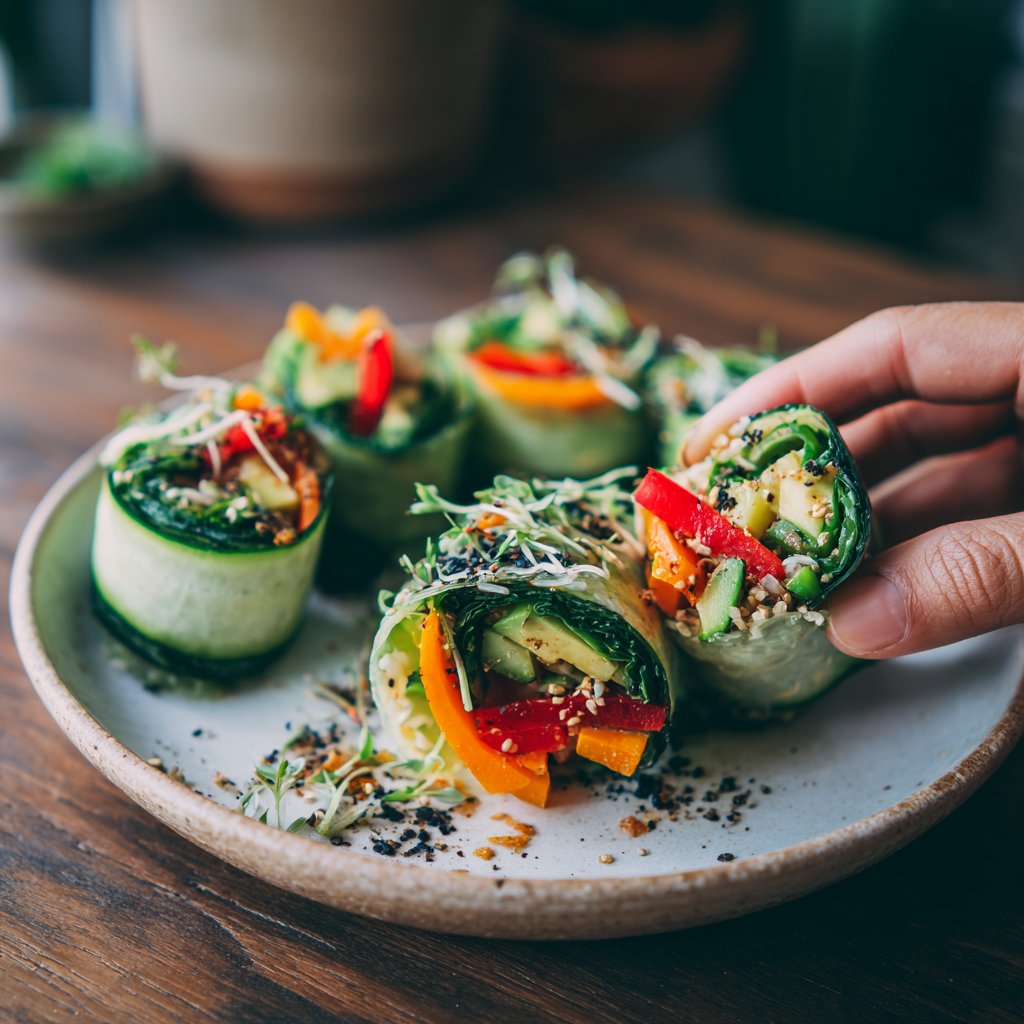
As I experimented with different fillings, I discovered that the key to great sushi rolls is balancing textures and colors. The crunch of fresh cucumbers, the creaminess of avocado, and the sweetness of bell peppers create a sushi roll that is not only delicious but visually appealing too.
Another tip I’ve found helpful is to ensure that my sushi rice is seasoned perfectly with rice vinegar, sugar, and salt. This gives each bite that authentic sushi taste and pairs wonderfully with the fresh vegetables.
Why You Will Love This Recipe
- Packed with fresh vegetables for a nutritious meal
- Customizable with your favorite fillings and sauces
- Fun to make and a great option for meal prep
The Versatility of Fillings
One of the best aspects of these Healthy Lunch Vegetable Sushi Rolls is how versatile the fillings can be. While the classic combination of cucumber, carrot, and avocado is refreshing, feel free to experiment with other seasonal vegetables. For example, thin slices of radish add a peppery crunch, while blanched asparagus gives a tender yet firm bite. Don’t hesitate to mix in some fresh herbs like cilantro or mint to elevate the flavor profile.
If you're looking for protein options, try adding cooked shrimp, tofu, or even slices of grilled chicken. These additions not only enhance the nutritional value but also offer a richer flavor. Just remember to keep the balance between vegetables and protein to maintain the sushi's structural integrity. Too much filling can make rolling difficult, resulting in a messy or broken roll.
Perfecting the Rolling Technique
The technique used to roll the sushi is crucial for creating tightly packed and aesthetically pleasing rolls. When spreading the sushi rice on the nori, ensure it's an even layer that covers about three-quarters of the nori sheet. Leaving the top edge clear helps seal the roll later. The rice should feel slightly sticky but not overly wet; if it's too wet, it could lead to mushy rolls.
Roll gently but firmly while tucking the filling inside. Use the bamboo mat to assist you, pressing down as you roll to ensure even pressure. After you’ve formed the roll, let it rest seam-side down for a minute to help it maintain its shape before slicing. A sharp knife is key to achieving clean cuts; wetting the blade can prevent sticking and tearing, giving you clean, uniform pieces.
Storing and Serving Suggestions
These sushi rolls can be made in advance, making them perfect for meal prep. After rolling, wrap the sushi tightly in plastic wrap to keep them fresh for a few days in the refrigerator. They are best consumed within 24-48 hours for optimal flavor and texture, as the rice can dry out over time. If you plan to freeze them, ensure they're wrapped well and consume them within a month for the best quality.
When it comes to serving, you can elevate your rolls with a variety of dipping sauces. Soy sauce is classic, but try mixing in a bit of wasabi for a spicy kick or a drizzle of sesame oil for added richness. Serve alongside pickled ginger to cleanse the palate between bites, and consider a side of edamame or a light salad for a well-rounded meal.
Ingredients
Sushi Roll Filling
- 1 cup sushi rice
- 4 sheets nori (seaweed)
- 1 cucumber, julienned
- 1 carrot, julienned
- 1 avocado, sliced
- 1 bell pepper, julienned
- Soy sauce, for dipping
- Pickled ginger, for serving
Feel free to add any other veggies you enjoy!
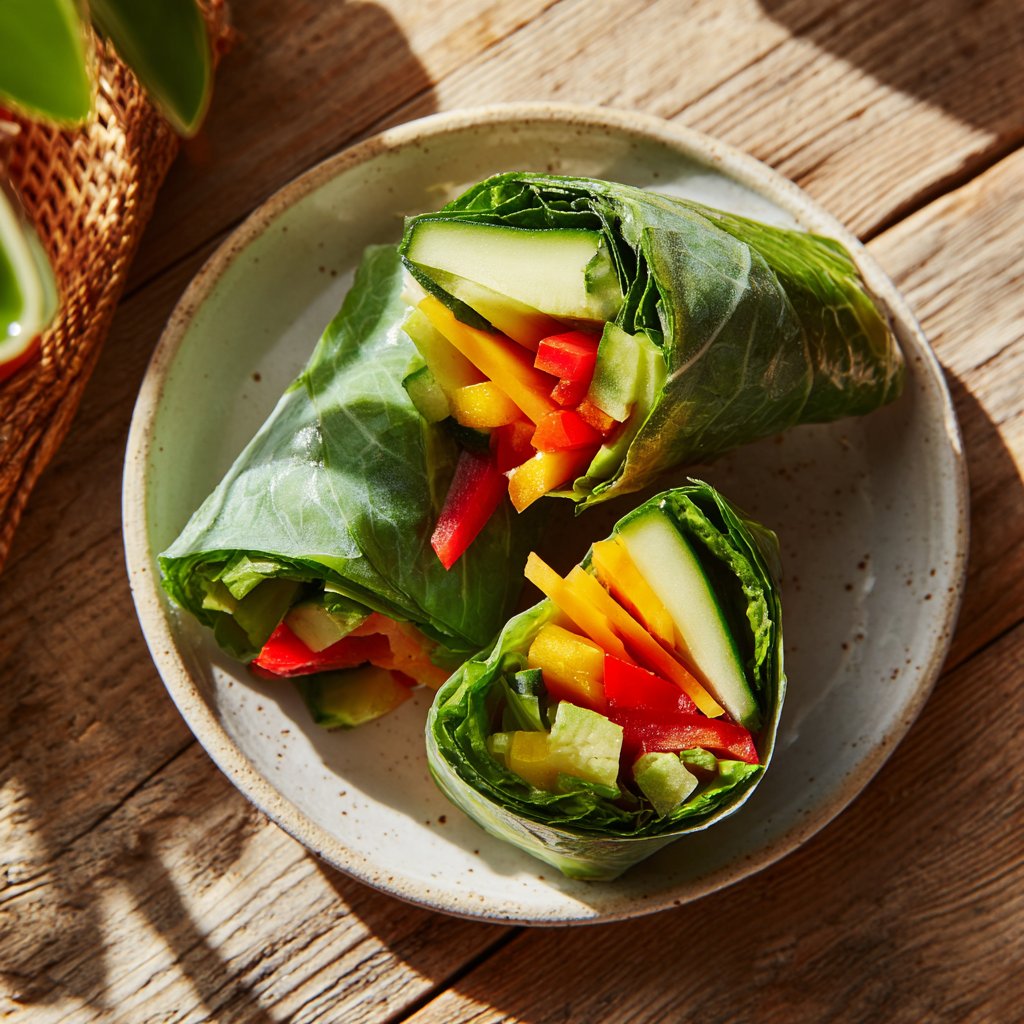
Instructions
Prepare the Sushi Rice
Rinse the sushi rice under cold water until the water runs clear. Cook the rice according to package instructions and once cooked, let it cool slightly. Mix in rice vinegar, sugar, and salt to taste.
Assemble the Rolls
Place a sheet of nori on a bamboo sushi mat. Wet your hands and spread a layer of sushi rice evenly over the nori, leaving a small border at the top. Arrange your vegetables in a line at the bottom of the rice-covered nori.
Roll It Up
Using the sushi mat, carefully roll the nori away from you, pressing gently but firmly to form a tight roll. Once rolled, use a sharp knife to slice the roll into bite-sized pieces.
Serve with soy sauce and pickled ginger for an extra kick!
Pro Tips
- Experiment with different fillings like mango, radish, or sprouts for varied flavors and textures.
Ingredient Spotlight: Nori
The nori sheets you use in this recipe play a critical role in both flavor and texture. Nori is a type of seaweed rich in vitamins and minerals, particularly iodine, which supports thyroid function. When selecting nori, look for high-quality sheets that are dark green and have a glossy surface. Avoid any that appear dull or have strong odors; they might not hold up well during rolling.
Nori can also vary in thickness. For softer rolls, consider lightly toasting the sheets over a flame for a few seconds until they become fragrant and more pliable. This will enhance the umami flavor and make them easier to roll without tearing.
Customizing Your Sushi Rice
The sushi rice is the foundation of your rolls, and its flavor can truly enhance your creation. By incorporating rice vinegar, sugar, and salt, you achieve the signature sushi rice flavor profile. However, you can customize this further based on preference—adding a bit of mirin will give a sweeter taste, or you could mix in sesame seeds for an added crunch.
For those looking for a healthier alternative, brown rice can replace sushi rice. While it won’t have the same stickiness, soaking the brown rice for a few hours prior to cooking can help achieve a similar texture. Just be aware that brown rice may result in a chewier roll, which some may prefer for its nuttier flavor.
Questions About Recipes
→ Can I make these sushi rolls ahead of time?
Yes, you can prepare the sushi rolls a few hours in advance. It's best to store them in the refrigerator, wrapped tightly to prevent them from drying out.
→ What can I use instead of sushi rice?
You can use quinoa or brown rice as a healthier alternative, but the texture will differ from traditional sushi.
→ Are there any other suitable fillings?
Absolutely! You can add cooked shrimp, crab sticks, or even grilled tofu for protein.
→ How do I store leftover sushi rolls?
Store leftover sushi rolls in an airtight container in the fridge for up to 24 hours. They are best enjoyed fresh, so consume them as soon as possible.
Healthy Lunch Vegetable Sushi Rolls
Created by: Josie Lambert
Recipe Type: Healthy Flavor Creations
Skill Level: Beginner
Final Quantity: 4 rolls
What You'll Need
Sushi Roll Filling
- 1 cup sushi rice
- 4 sheets nori (seaweed)
- 1 cucumber, julienned
- 1 carrot, julienned
- 1 avocado, sliced
- 1 bell pepper, julienned
- Soy sauce, for dipping
- Pickled ginger, for serving
How-To Steps
Rinse the sushi rice under cold water until the water runs clear. Cook the rice according to package instructions and once cooked, let it cool slightly. Mix in rice vinegar, sugar, and salt to taste.
Place a sheet of nori on a bamboo sushi mat. Wet your hands and spread a layer of sushi rice evenly over the nori, leaving a small border at the top. Arrange your vegetables in a line at the bottom of the rice-covered nori.
Using the sushi mat, carefully roll the nori away from you, pressing gently but firmly to form a tight roll. Once rolled, use a sharp knife to slice the roll into bite-sized pieces.
Extra Tips
- Experiment with different fillings like mango, radish, or sprouts for varied flavors and textures.
Nutritional Breakdown (Per Serving)
- Calories: 150 kcal
- Total Fat: 5g
- Saturated Fat: 1g
- Cholesterol: 0mg
- Sodium: 20mg
- Total Carbohydrates: 22g
- Dietary Fiber: 4g
- Sugars: 2g
- Protein: 4g