Small Backyard Chicken Run
Highlighted under: World Kitchen Heritage
I’ve always dreamed of having fresh eggs at my fingertips, and building a small backyard chicken run has made that dream a reality. This simple yet effective design not only keeps my chickens safe from predators but also allows them to roam freely and enjoy the outdoors. It’s a rewarding project that brings joy and fresh eggs to my kitchen. I’ll walk you through the essentials of constructing a cozy home for your feathered friends that can fit neatly in any backyard space.
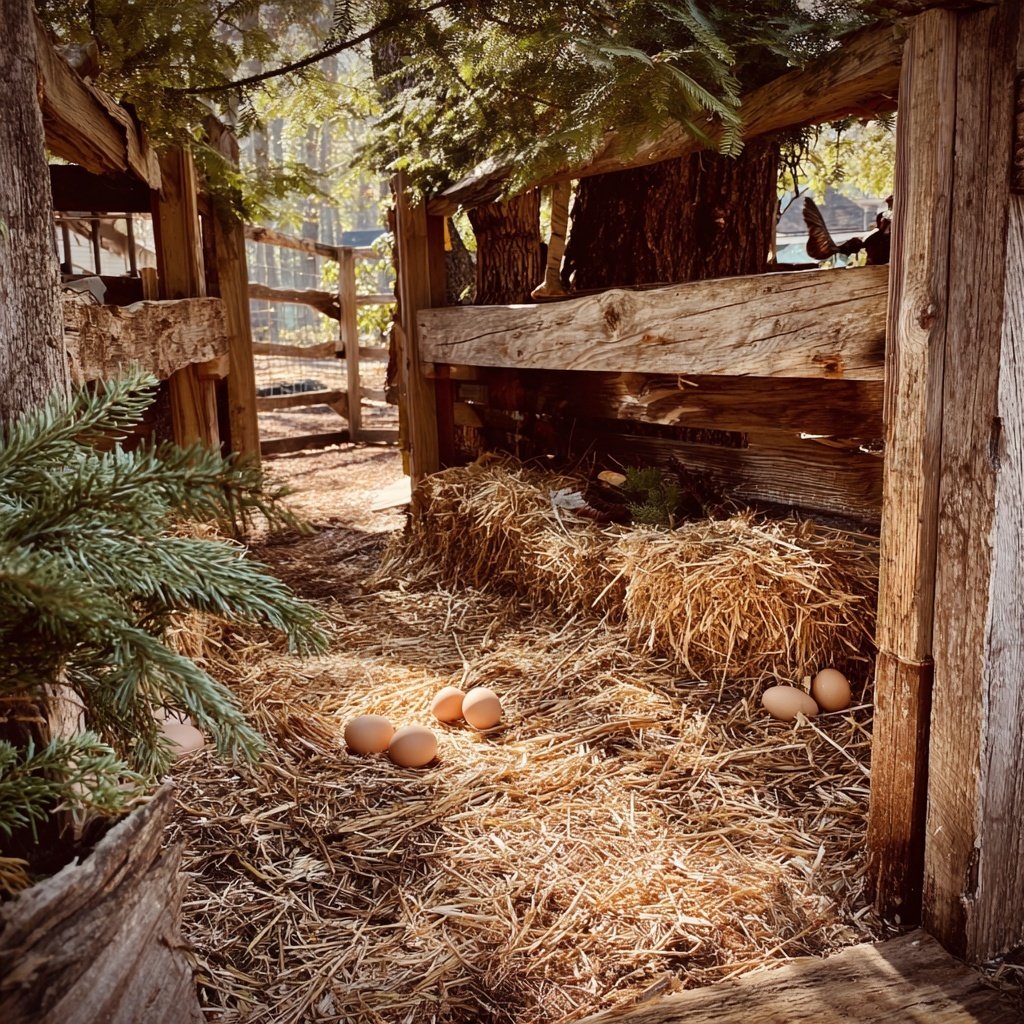
When I started my chicken journey, I realized that a well-designed chicken run is crucial for their happiness and safety. I experimented with different layouts and materials, which helped me understand how to maximize space while ensuring my chickens had room to wander. Constructing a run that was both secure from predators and spacious enough for my chickens made all the difference.
One tip I found invaluable was incorporating natural elements like shrubs and branches for them to explore. This not only broke up the monotony of their environment but also gave my chickens a bit of a wild feel in their little backyard paradise. The result? Happier, healthier chickens that produce delicious eggs!
Why You'll Love This Chicken Run
- Efficient design for small spaces
- Provides a safe environment for chickens
- Enhances backyard aesthetics with natural elements
Safety First
One of the primary benefits of your chicken run is the protection it provides against predators. When choosing materials, ensure the chicken wire is at least six feet high and buried a couple of inches underground to prevent digging predators. I recommend using sturdy wooden posts that can withstand the elements and add longevity to your structure. If using plastic or lighter materials, inspect regularly for wear and tear, especially after storms or high winds.
Regular maintenance can prevent common issues. Check the fencing for any gaps or loose areas that could allow intruders. This includes occasional inspections on the hinges and latches of your doors to ensure they secure properly and haven’t rusted. Investing a little time each month in upkeep can save you from losing your chickens to a predator over time.
Comfort and Health
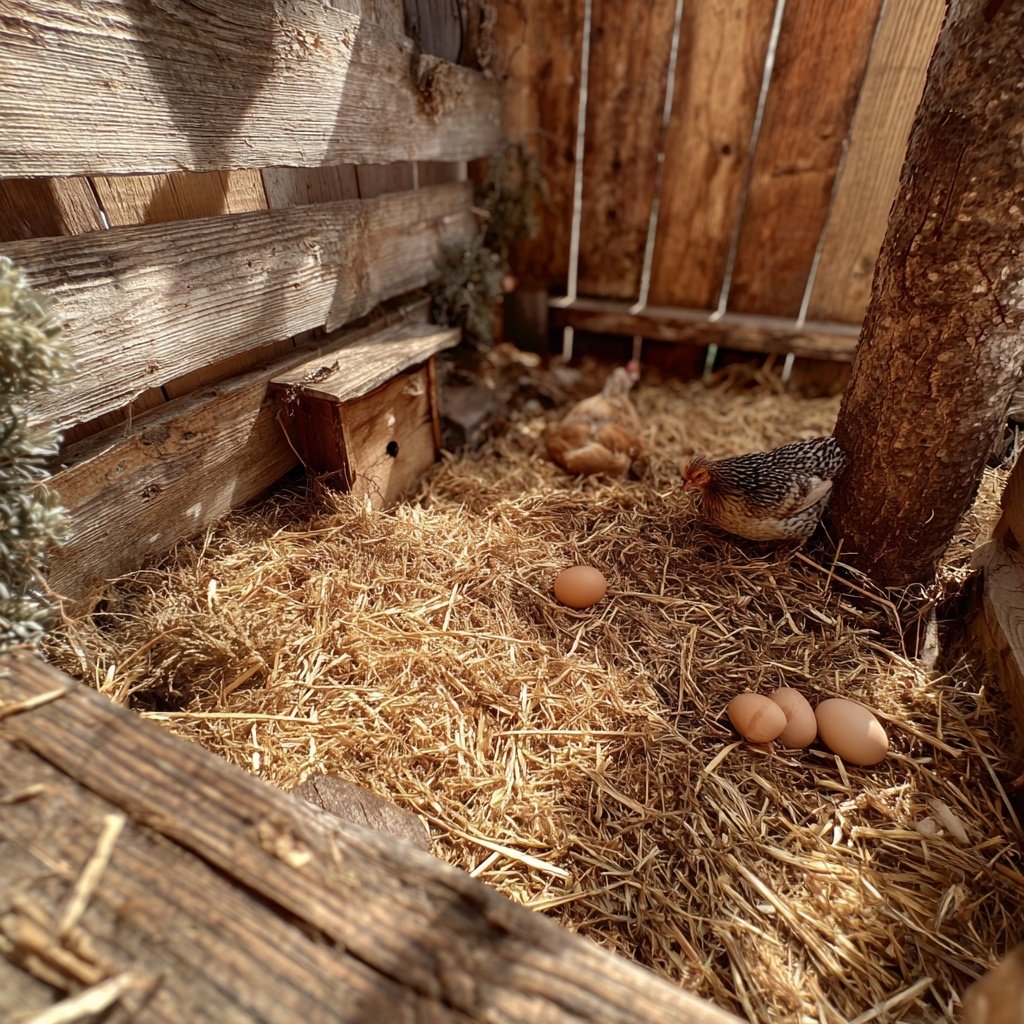
Creating a comfortable environment for your chickens is vital for their well-being. The bedding you choose plays a significant role in not only providing comfort but also maintaining hygiene. Straw is a popular option, but wood shavings also work well for odor control. Be sure to replace this bedding regularly to keep their living conditions clean and healthy, ideally every 1-2 weeks depending on the number of chickens and their activity level.
Temperature control is equally important. Chickens can tolerate cold weather but need protection from wind and rain. If you live in a colder climate, consider adding insulation to your run’s roof or walls. A heat lamp can be beneficial during harsh winters, but make sure it's secured to prevent any fire hazards. Monitoring your chickens' behavior can also give you clues; if they huddle together or seem restless, they might need additional shelter from the elements.
Expanding Your Chicken Run
As your chicken-keeping journey progresses, you might want to expand or improve your run. Consider adding additional elements such as perches or nesting boxes to encourage natural behaviors. These additions can make your chickens happier and healthier while enhancing productivity. Nesting boxes should be around 12x12 inches, placed in a quiet corner, and filled with clean bedding to encourage egg-laying.
If space allows, creating a separate area for your hens to dust bathe can greatly enhance their welfare. A simple pit filled with sand can be easily carved out within the run, providing a natural space for them to clean their feathers and enjoy themselves. This not only promotes happiness among your chickens but also helps to keep pests at bay.
Ingredients
This project requires a few essential materials to get started:
Materials
- Chicken wire or fencing
- Wooden posts
- Wooden boards or plywood
- Hinges and latches for doors
- Wooden planks for the floor
- Nails and screws
- Optional: straw or wood shavings for bedding
Gather these materials, and let’s get started on building a happy home for your chickens!
Instructions
Follow these steps to create a sturdy and welcoming chicken run:
Define the location
Choose a spot in your backyard that offers shade and protection from wind. Make sure it has enough space for the chickens to roam.
Construct the frame
Use wooden posts to create a secure frame for your chicken run. Ensure it's tall enough for you to easily enter and maintain.
Attach the fencing
Wrap chicken wire or fencing securely around the frame, ensuring there are no gaps that predators could exploit.
Build a roof
Consider adding a roof using wooden boards or wire to protect your chickens from aerial predators and harsh weather.
Install a door
Create an access door using more wooden boards, attaching it with hinges for easy open and close functionality.
Add bedding
Place straw or wood shavings on the ground for comfortable bedding, helping to keep your chickens warm and cozy.
Once built, allow your chickens to explore and enjoy their new environment!
Pro Tips
- Regularly check the integrity of your chicken run and replace any damaged materials to ensure your chickens remain safe and secure.
Seasonal Adjustments
Seasonal changes can influence the comfort and health of your chickens in the run. In the summer, you may need to provide shade through tarps or temporary structures to prevent overheating. Ensure that your chickens have adequate water access in hot weather, as dehydration can lead to serious health issues. Adding ice to their water source can help keep it cool during particularly hot days.
Conversely, during winter months, insulating the run becomes crucial. A combination of weatherproof coverings and possibly heated shelters can help your chickens thrive in colder temperatures. Observe your chickens closely; if they are seeking warmth or avoiding the outside, it may be time to adjust their environment accordingly.
Creating Enrichment
Incorporating enrichment in your chicken run can greatly improve your chickens’ mental stimulation. Adding items like hanging vegetables or grains can mimic foraging behavior and keep them engaged. A few logs or stumps can serve as additional perches, encouraging them to jump and explore, which is vital for their physical health.
I found that rotating these enrichment items can keep the environment stimulating. By introducing new objects or changing placement every few weeks, your chickens remain curious and active — a key factor for their overall happiness. This variability can also contribute to reducing stress and pecking order disputes among your flock.
Questions About Recipes
→ How much space do chickens need in a run?
It's recommended to have at least 10 square feet per chicken in the run for optimal space and comfort.
→ Can I keep ducks in the same run as chickens?
It's best to have separate runs for ducks and chickens, as they have different needs and can sometimes conflict.
→ How do I protect my chickens from predators?
Use sturdy materials, bury the fencing a few inches underground, and cover the run to deter hawks and other predators.
→ What bedding is best for chickens?
Straw, wood shavings, or sand are great options. They help absorb moisture and provide comfort for your chickens.
Small Backyard Chicken Run
Created by: Josie Lambert
Recipe Type: World Kitchen Heritage
Skill Level: Beginner
Final Quantity: 1.0
What You'll Need
Materials
- Chicken wire or fencing
- Wooden posts
- Wooden boards or plywood
- Hinges and latches for doors
- Wooden planks for the floor
- Nails and screws
- Optional: straw or wood shavings for bedding
How-To Steps
Choose a spot in your backyard that offers shade and protection from wind. Make sure it has enough space for the chickens to roam.
Use wooden posts to create a secure frame for your chicken run. Ensure it's tall enough for you to easily enter and maintain.
Wrap chicken wire or fencing securely around the frame, ensuring there are no gaps that predators could exploit.
Consider adding a roof using wooden boards or wire to protect your chickens from aerial predators and harsh weather.
Create an access door using more wooden boards, attaching it with hinges for easy open and close functionality.
Place straw or wood shavings on the ground for comfortable bedding, helping to keep your chickens warm and cozy.
Extra Tips
- Regularly check the integrity of your chicken run and replace any damaged materials to ensure your chickens remain safe and secure.
Nutritional Breakdown (Per Serving)
- Calories: 0 kcal
- Total Fat: 0g
- Saturated Fat: 0g
- Cholesterol: 0mg
- Sodium: 0mg
- Total Carbohydrates: 0g
- Dietary Fiber: 0g
- Sugars: 0g
- Protein: 0g